Dept. III · Making
Steampunk Sewing Patterns: What Is Worth Buying, and the Free Ones
Steampunk sewing patterns: Simplicity's costume envelopes at $17.95 to $22.95, Truly Victorian's period drafts, and the free museum patterns from LACMA.
For a first steampunk garment, the readiest purchase is one of Simplicity’s costume envelopes, which list at $17.95 to $22.95 and carry an “Average” sewing rating as of October 2026. For period shapes drafted by era, Truly Victorian sells digital patterns for the bustle years, from the Early Bustle of 1869 to 1876 to the Late Bustle of 1883 to 1889. The free patterns worth knowing are the museum drafts from the Los Angeles County Museum of Art, which include a woman’s coat of about 1885. The McCall’s and Butterick envelopes we leave unrecommended, having read neither maker’s page.
Disclosure: some links on this page are affiliate links, marked by the products they name. As an Amazon Associate, steampunkary.com earns from qualifying purchases. A purchase through these links may earn the site a commission at no cost to you, and it never affects what is recommended. How this works. Product prices and availability shown are as of the date stated and can change; the Amazon price at checkout applies.
A pattern is the cheapest part of a costume that is sewn rather than bought, and the most easily wasted. The reader who intends a coat, a bustle skirt or a bustier, from the many in our guide to steampunk DIY, does well to know which of three kinds of pattern fits the purpose: a costume envelope, a period-correct draft, or a museum’s free reproduction. This page takes each in turn, with the prices we read and the points on which we found no source. The finished clothes, and what they cost to buy instead, are described in our clothing guide.
Steampunkary · Ad
The Outfitters' Catalogue
Everything named in this guide, by budget
Fig. 1Thrifty

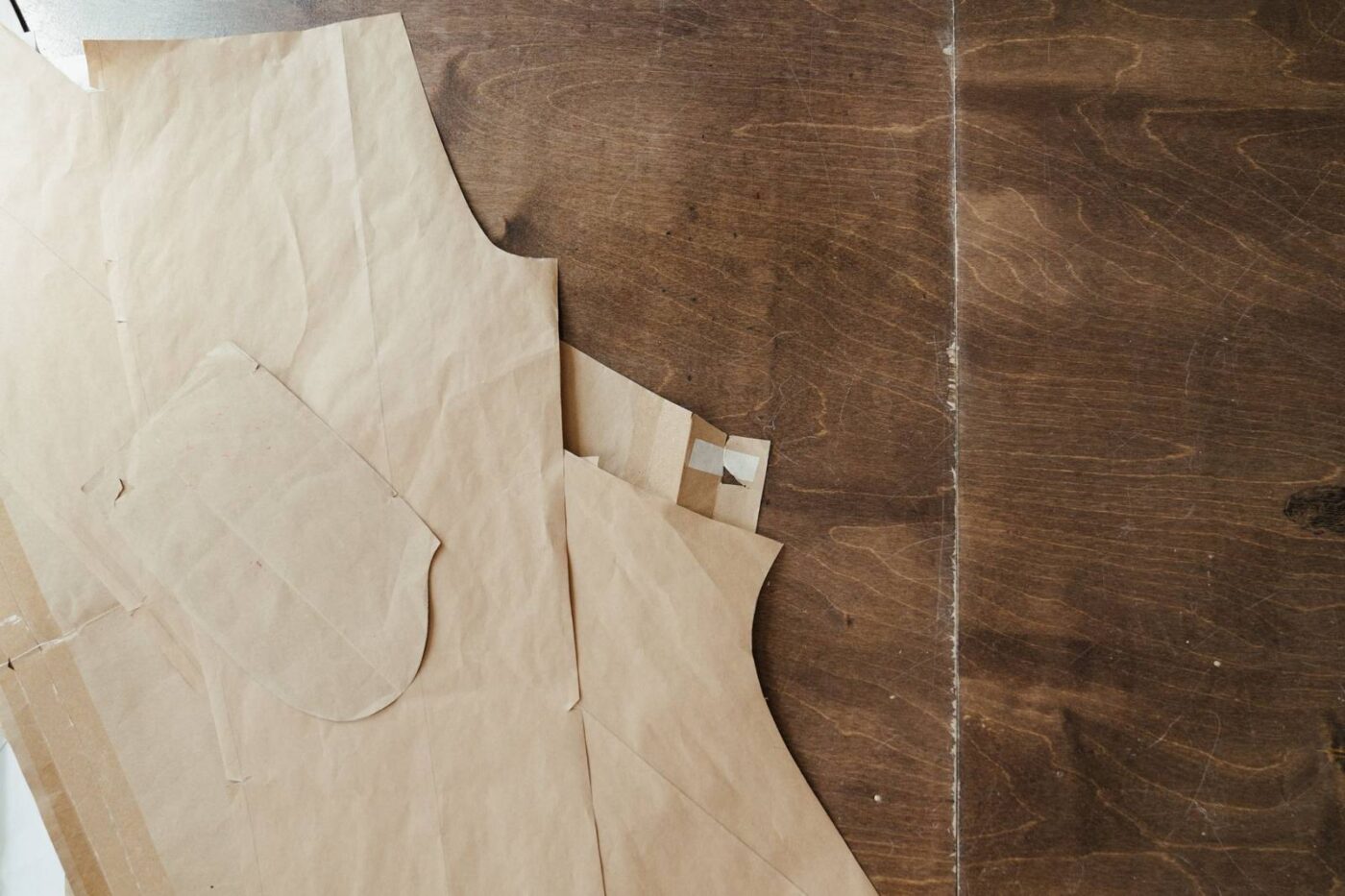
Pattern tracing paper
For copying a pattern before cutting it, and for printed PDF sheets that are taped together.
$9.99 on Amazon, as of Nov 3, 2026See it
Fig. 2Thrifty

Plastic boning with casing
The kind most envelope patterns call for; easy to find at fabric stores.
$11.99 on Amazon, as of Nov 3, 2026See it
Fig. 3Mid-range
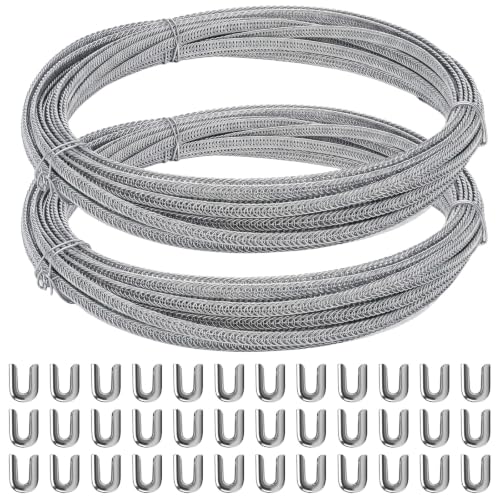
Spiral steel boning
More support than plastic, for a bustier that must hold its shape.
$21.99 on Amazon, as of Nov 3, 2026See it
Fig. 4Mid-range

Dressmaker's shears
A good pair is the chief tool a pattern demands.
$9.09 on Amazon, as of Nov 3, 2026See it
Fig. 5Mid-range

Brocade or jacquard fabric
The woven fabrics Simplicity suggests for its steampunk vests and coats.
$5.49 on Amazon, as of Nov 3, 2026See it
Fig. 6Thrifty

Cotton twill fabric
A plain, sturdy cloth for a first skirt or waistcoat.
$9.99 on Amazon, as of Nov 3, 2026See it
The Costume Envelope: Simplicity
Simplicity lists several patterns marked as steampunk, each rated “Average” for sewing difficulty on the maker’s own pages (October 2026):
| Pattern | What it makes | Sizes | List price |
|---|---|---|---|
| S2172 | Misses’ coat, skirt and bustier | 6 to 22 | $17.95 |
| S9086 | Misses’ lined coats with full A-line skirt | 6 to 22 | $22.95 |
| S9007 | Misses’ bolero-style jacket and ruffled skirt in two lengths; no corset | 6 to 22 | $22.95 |
| S9087 | Men’s corset vests, double-breasted or zipper front, with boning and back lacing | 38 to 52 | $22.95 |
Sale prices were lower when we looked, in each case by roughly $5 to $7, and they move; the list price is the steadier figure. Fabrics suggested are woven ones: broadcloth, taffeta and organza for S2172, and brocade, gabardine, jacquard, twill, leather or suede for the coats and vests. The S2172 page does not list notions, so we cannot say from it whether the bustier calls for boning.
The pattern that has been sewn and written about most is S2172. Professor Pincushion’s video tutorial of its bustier, filmed about 2012, found it quicker and easier than expected, with clear directions. Her practical notes: the pattern usually specifies plastic boning, which chain fabric stores sell; steel boning offers more support; and because the pattern sews its casing onto the fashion fabric, one may need to make one’s own casing. A plus-sized commenter planned flat-pattern alterations, and the tutorial offers none. The reader who is fuller in the bust should assume that the envelope sizes will need adjusting, and should make a test version in cheap cloth first.
Period Drafts: Truly Victorian
Truly Victorian, based in Riverside, California, organizes its women’s patterns by era: Romantic and Hoop, 1830 to 1868; Early Bustle, 1869 to 1876; Natural Form, 1877 to 1882; Late Bustle, 1883 to 1889; Belle Epoque, 1890 to 1901; and Edwardian, 1901 to 1914, with separate listings for wire and boning. That grouping is useful in itself: it tells the reader that “a bustle” is at least two different silhouettes, and that the skirt for the one is not the skirt for the other.
The patterns are digital. The shop says purchases are no longer instant downloads; they are approved manually and the files arrive within 24 hours, and for instant delivery it points to its Etsy shop. The shop’s main page shows no prices, sizes, pattern numbers or skill levels, and the page lists no men’s or corset patterns. We have therefore named no pattern numbers: those we saw quoted in search summaries are unverified, and the reader should open the shop and read the description, sizing and measurement notes there.
The honest counsel is to use a period draft when the garment is meant to be taken seriously as history, and an envelope pattern when it is meant to be a costume. Steampunk, by its own admission, permits the second.
The Free Ones
LACMA’s Pattern Project. The Los Angeles County Museum of Art’s Costume and Textiles department offers free, downloadable PDF patterns of historic dress from its permanent collection. Each PDF includes a scaled pattern of the surviving garment, historical context, images and construction instructions, and the patterns were drawn by taking the garments apart and flattening them. The thirteen listed objects include a woman’s coat from England of about 1885, a man’s vest with removable chest pads from England of about 1840, a man’s frock coat from France of about 1815, and a boy’s frock from India of about 1855. The coat falls within the Late Bustle years of Truly Victorian’s own grouping. The page states no licensing terms; for a garment made to wear, that will not trouble anyone, but a maker who means to sell finished pieces should ask the museum first.
These are reproductions of single garments in a single size, and not graded costume patterns. Expect to resize, to test in muslin, and to alter the style, for a fitted coat of 1885 and a steampunk coat are cousins and not twins.
The curtain bustle. A blogger at Frog Prince Paperie made a bustle for $3 by tying a pair of curtains about the waist with ribbon, folding the long part under, stitching it, and gathering the valance to the middle of the back. It is not a pattern, but it is free of anything one would call a purchase, and it works under a skirt.
We did not locate any steampunk-specific free pattern library with a clear licence, and so do not list one.
What We Left Out
The research for this page did not extend to McCall’s or Butterick steampunk envelopes, and we did not fetch their makers’ pages; we recommend none. We cannot say whether S2172 is the best choice for a given figure; it is merely the one with the most written about it.
Tools That Patterns Assume
The patterns above ask for the same equipment: tracing paper or a spare roll of paper for copying, shears kept for cloth, boning for any bustier or vest that is boned, and a plain fabric for the trial version. The catalogue above lists them; we state no prices for them, as the sellers’ pages cannot be read.
A Word on Safety
A sewing project carries ordinary workshop risks, and we read no manufacturer’s sheet that raises a special one. The boning in a bustier or corset vest is the point that needs attention: steel gives more support than plastic but is harder to find and needs a casing, and a corset-type garment should be tried on and eased before a long day’s wear. Read the instructions that come with any iron, rotary cutter or sewing machine.
Frequently Asked Questions
What is the best steampunk sewing pattern for a beginner?
Simplicity rates its steampunk coat, skirt and vest patterns “Average”; we would begin with a skirt or the bolero-style jacket and make a test version in cheap cloth.
Are there free steampunk sewing patterns?
Not steampunk-labeled ones that we could verify. LACMA’s free Pattern Project offers museum drafts, including a woman’s coat of about 1885.
How much do steampunk sewing patterns cost?
Simplicity’s list prices were $17.95 to $22.95 in October 2026. Truly Victorian does not show prices on its main page.
What pattern do I need for a bustle skirt?
A bustle from 1869 to 1876 and one from 1883 to 1889 are different shapes, and Truly Victorian sorts its patterns by those eras. For a costume, an envelope skirt such as the one in S2172 asks for less.
Do I need steel boning for a bustier?
No. Plastic boning is what such patterns usually call for, though steel offers more support.
Can I buy Truly Victorian patterns instantly?
Not directly. The shop approves purchases manually and delivers within 24 hours, and points to its Etsy shop for instant downloads.