Dept. I · What is Steampunk
Steampunk vs Dieselpunk, Cyberpunk and Gaslamp: How to Tell Them Apart
Steampunk, dieselpunk, cyberpunk and gaslamp fantasy differ chiefly in the era they remix and the power that drives the world. A plain guide.
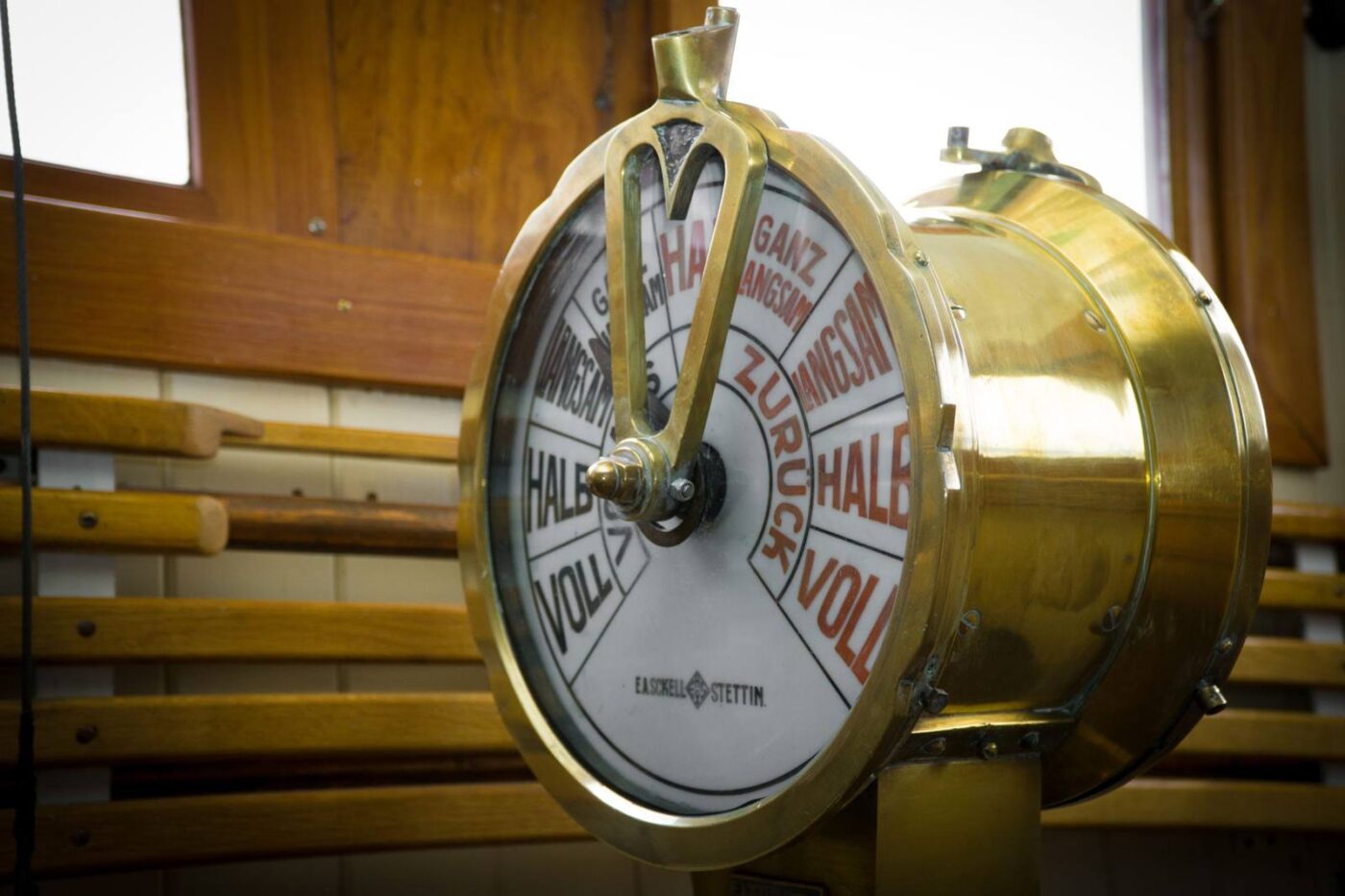
The “-punk” family is sorted most easily by two questions: which era is being remixed, and what drives the world. Steampunk takes an invention-saturated alternate nineteenth century, usually Victorian or Edwardian, ending roughly where the First World War begins1. Dieselpunk takes the interwar years and after, with Art Deco, pulp and noir, and its name was coined in 20012. Cyberpunk, from which the whole habit of naming descends, looks forward to cybernetics and information networks3. Gaslamp fantasy keeps the Victorian mood and swaps the machinery for magic and mystery45.
- Steampunk: alternate nineteenth century, steam and clockwork, also a look16
- Dieselpunk: interwar to the 1950s; the coinage is credited to Lewis Pollak in 20012
- Cyberpunk: 1980s science fiction; the term is almost certainly Bruce Bethke’s, from 19833
- Solarpunk: ecological optimism; the term comes from an anonymous 2008 blog post7
- Gaslamp fantasy: Victorian or Edwardian mood with the supernatural in charge45
Disclosure: some links on this page are affiliate links, marked by the products they name. As an Amazon Associate, steampunkary.com earns from qualifying purchases. A purchase through these links may earn the site a commission at no cost to you, and it never affects what is recommended. How this works.
A reader who meets the word “dieselpunk” for the first time is entitled to suspect that the whole family of “-punk” words is a game played by people with too much time. It is, in part. Yet the labels do real work, because they tell a bookseller, a costumer or a convention programmer what to expect, and the differences are sharper than they first appear. We set them out below, one genre at a time, and then give the reader a short test. For the parent term itself, what is steampunk is the place to begin.
The Two Questions That Sort Every "-Punk"
Almost every member of the family answers two questions: what powers the world, and which period is being remixed? The shorthand is a useful one, but it is a shorthand. One general-interest field guide, SF Crow’s Nest, adds a third and fourth: what mood dominates, and what the story cares about6. We cite that guide as one reference’s view and not as an authority; the genre histories below rest on the Encyclopedia of Science Fiction wherever it has an entry.
| Label | Era remixed | What drives the world | Typical mood |
|---|---|---|---|
| Steampunk | Alternate 19th century, often Victorian or Edwardian1 | Steam, clockwork, invention1 | Wonder, with a sooty edge |
| Dieselpunk | Interwar years to the 1950s26 | Internal combustion, aircraft, Art Deco machinery26 | Pulp adventure, noir |
| Cyberpunk | Near future of the 1980s imagination3 | Cybernetics and information networks3 | Streetwise, anti-establishment3 |
| Gaslamp fantasy | Victorian or Edwardian45 | Magic and the supernatural45 | Mystery |
| Solarpunk | A hopeful future7 | Renewable energy and ecology7 | Optimism |
Steampunk: The Nineteenth Century, Reimagined
The Encyclopedia of Science Fiction defines steampunk as a subgenre set against an alternate-history nineteenth-century backdrop, usually an invention-saturated version of Victorian or Edwardian England, ending roughly at the outbreak of the First World War1. The American Heritage Dictionary gives two senses: the fiction, and “an aesthetic style inspired by steampunk fiction”8. The second sense is the one behind the costumes and the brass-and-leather look.
It must be added that the fiction is less tidy than the definition. Garth Smith’s thesis at the University of Waikato reports that scholars divide into prescriptivists, who confine the word to Jeter’s original sense, and descriptivists, who list common tropes; the same passage notes that the label has been stretched to cover everything from a Western-flavored space opera to industrial dance music9. The word was coined in a 1987 letter, and the story of that letter is told in who coined steampunk.
Dieselpunk: The Interwar Years and After
The Encyclopedia of Science Fiction credits the video-game designer Lewis Pollak with coining dieselpunk in 2001, and names Fritz Lang’s Metropolis (1926) as a “mother lode of imagery” for it2. Where steampunk looks to the age of steam, dieselpunk looks to the era after it: the interwar years, Art Deco, pulp magazines, noir and airships6. SF Crow’s Nest offers Sky Captain and the World of Tomorrow and The Rocketeer as examples6.
The practical test is the material. A dieselpunk costume wants chrome, riveted steel and flight jackets; a steampunk one wants brass, copper and leather. The two meet at airships and at goggles, and that overlap is the cause of most confusion. Dieselpunk is a contrast and a neighbor here, not a branch of steampunk.
Cyberpunk: Where the Suffix Came From
Cyberpunk is the parent of the habit. The Encyclopedia of Science Fiction describes it as 1980s science fiction with cybernetics and information networks and a streetwise, anti-establishment attitude. It says the term was almost certainly coined by Bruce Bethke, in his story “Cyberpunk” (Amazing, November 1983), and that William Gibson’s Neuromancer (1984) definitively shaped the movement3.
That is why the comparison matters. Mike Perschon, writing in Neo-Victorian Studies, reads K. W. Jeter’s “-punk” as a playful qualifier that traded on the popularity of cyberpunk in the 1980s10. Steampunk is therefore cyberpunk’s younger relation by deliberate analogy: the same word-form, with steam where the computer stood.
Gaslamp Fantasy: Victorian Mood, Magic in Charge
Gaslamp fantasy keeps the setting and changes the engine. SF Crow’s Nest puts the distinction briefly: steampunk likes machines, gaslamp likes mysteries; its examples of gaslamp are Anno Dracula and Soulless, and it says Jonathan Strange & Mr Norrell is not steampunk at all6. A fan-written explainer, Sorcerer of Tea, likewise names the gas lamp as the thing that gives the genre its name4, which we note only because the page is a blog and not a reference work.
The border is porous, and the reader should expect arguments. Gail Carriger’s Soulless is filed by the same guide as paranormal steampunk and gaslamp fantasy at once5. For a longer treatment of the borderline cases, the planned is it steampunk page takes ten of them in turn.
A word of caution about the origin of the term. A claim is often repeated that gaslamp fantasy was named by Kaja Foglio in 2006; we could not confirm it from a page we had read, and so we leave it out.
The Smaller Cousins: Clockpunk, Solarpunk, Silkpunk
Clockpunk, according to SF Crow’s Nest, reaches back before the steam age to Renaissance and early modern mechanics, with springs, gears and automata6. We treat that as a soft source: no encyclopedia entry for the term was available to us.
Solarpunk is not a retro genre at all. The Encyclopedia of Science Fiction traces the term to an anonymous 2008 blog post calling for fiction about the revival of old technology to solve modern problems, and it is concerned with renewable energy and ecological optimism7. Silkpunk is the coinage of the novelist Ken Liu, for the Dandelion Dynasty books beginning with The Grace of Kings (2015); it imagines technology made from bamboo, silk, paper and shell11. Liu says it is not “Asian-flavored steampunk”11. The full family tree has its own page, silkpunk, steamfunk, clockpunk and solarpunk.
We have left out atompunk and teslapunk. The sources we found for them were no better than summaries of search results, and a definition resting on that is not one we care to print.
A Short Test for the Reader
Put these four questions to any story, costume or room:
- What is the power source? Steam, clockwork or brass-bound invention: steampunk. Diesel, chrome and aircraft: dieselpunk. Networks and implants: cyberpunk. Spells and ghosts: gaslamp.
- Which decade is the wardrobe from? Top hats and bustles: steam. Fedoras and flight jackets: diesel.
- Is the machinery doing the work, or the magic? If a sorcerer could replace the engineer without disturbing the plot, one is probably in gaslamp country6.
- Does the story care about the machines? Where the technology is the subject, the label is likely steampunk; where it is scenery, a looser label is safer.
None of this settles every case, and the field itself does not claim to. The ladder of judgments in the guides is opinion, and the reader should feel free to disagree with it.
Frequently Asked Questions
What is the difference between steampunk and dieselpunk?
What is the difference between steampunk and cyberpunk?
What is gaslamp fantasy, and how does it differ from steampunk?
What is the difference between steampunk and solarpunk?
Is steampunk the same as Victorian?
What is clockpunk?
A label for stories built on Renaissance or early modern mechanics such as springs, gears and automata, according to SF Crow’s Nest6. We rate that source as soft.
Sources
- Steampunk — The Encyclopedia of Science Fiction. Accessed 2026-10-17.
- Dieselpunk — The Encyclopedia of Science Fiction. Accessed 2026-10-17.
- Cyberpunk — The Encyclopedia of Science Fiction. Accessed 2026-10-17.
- What is gaslamp fantasy? — Sorcerer of Tea (blog), 28 February 2023. Accessed 2026-10-17.
- Soulless (Field Guide entry) — SF Crow’s Nest. Accessed 2026-10-17.
- Steampunk vs Gaslamp, Clockpunk, Dieselpunk — SF Crow’s Nest. Accessed 2026-10-17.
- Solarpunk — The Encyclopedia of Science Fiction. Accessed 2026-10-17.
- steampunk — The American Heritage Dictionary of the English Language, 5th ed. Accessed 2026-10-17.
- Steampunk: The Inner Workings (MA thesis, University of Waikato, 2013) — Garth Smith. Accessed 2026-10-17.
- Steam Wars, Neo-Victorian Studies 3:1 (2010) — Mike Perschon. Accessed 2026-10-17.
- What is silkpunk — Ken Liu. Accessed 2026-10-17.