Dept. IV · Home
Steampunk Lamps: Pipe Lamps, Kits and What a UL Listing Means
Steampunk lamps run from a kit and a bulb to a finished pipe lamp. What to look for, what to ask of the bulb, and what UL's portable-luminaire standard covers.
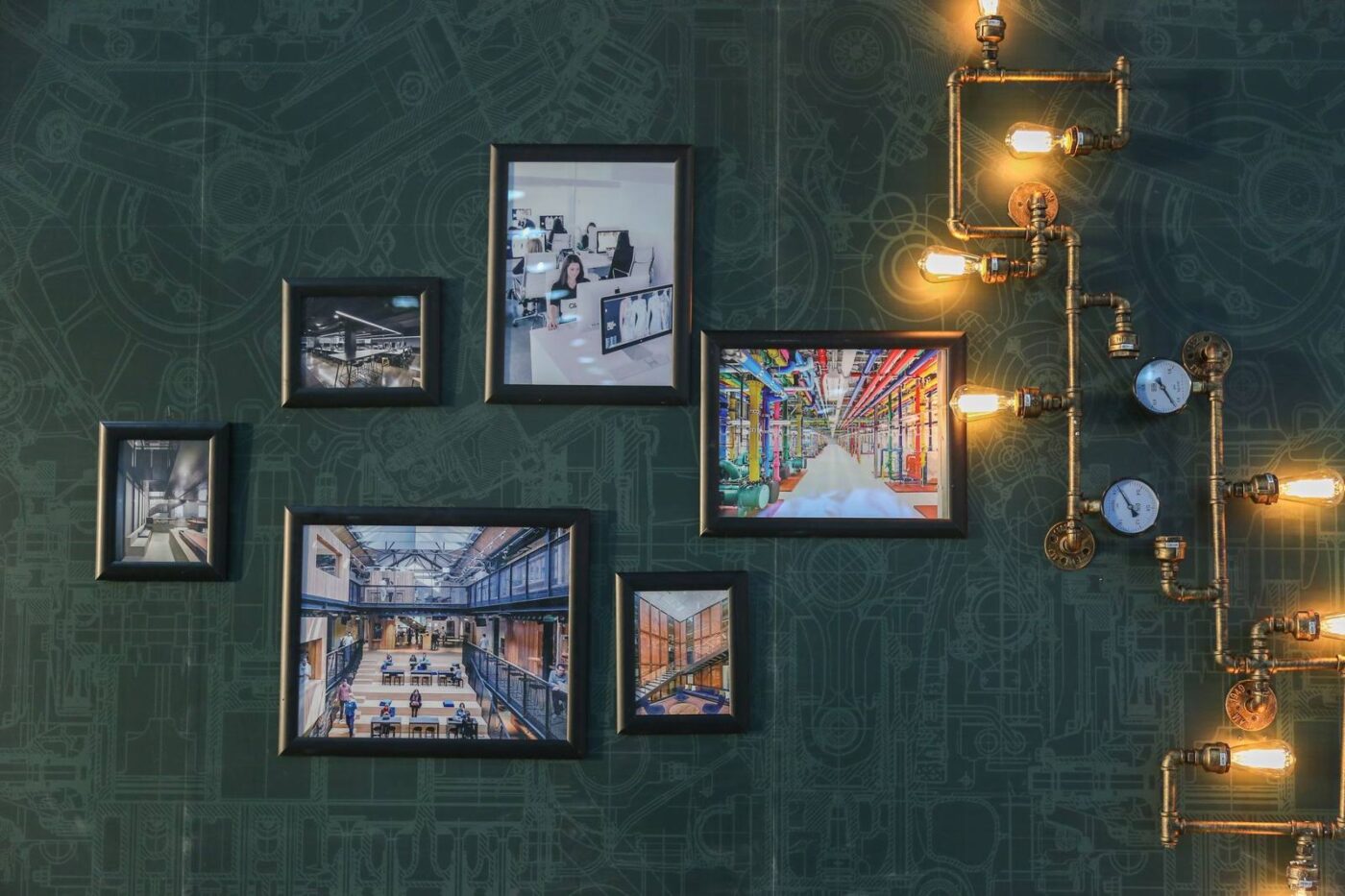
A steampunk lamp is, in the main, an exposed bulb set in brass, iron or pipe, with its switch and fittings left in view. It may be assembled from a pipe lamp kit, bought finished, or hung as a cage pendant; the design press names exposed-bulb pendants and pipe-and-valve fixtures as the signature lighting of the style. UL, which writes the safety standard for portable luminaires, assesses fire, electric shock, burns and mechanical hazards. Buy electrical parts that carry a listing mark, and leave any wiring beyond a plug-in lamp to an electrician.
- Pipe-and-valve wall fixtures, caged lanterns and exposed-bulb pendants are the lighting Houzz names for the style
- A 2015 home build of a cage sconce cost about $22 each against $150 or more ready-made
- Bare Edison bulbs of 40 watts gave a builder little light in a steampunk room
- UL evaluates portable luminaires, those with a flexible cord and plug, for fire, shock, contact burns and instability
- LED lighting is up to 90 percent more efficient than incandescent
Disclosure: some links on this page are affiliate links, marked by the products they name. As an Amazon Associate, steampunkary.com earns from qualifying purchases. A purchase through these links may earn the site a commission at no cost to you, and it never affects what is recommended. How this works.
Of all the furnishings that make a room steampunk, the lamp is the quickest to acquire and the easiest to get wrong. It must look like machinery, it must light a page, and it must not set fire to the house. In what follows we take the three in turn: what the style asks of a lamp, what may be bought at each purse, and what a safety listing does and does not tell the buyer. The wider question of what makes a room read as steampunk, rather than merely industrial, is taken up in our guide to steampunk decor.
Steampunkary · Ad
The Outfitters' Catalogue
Everything named in this guide, by budget
Fig. 1Thrifty
Black iron pipe lamp kit
Pipe, fittings and a socket set to assemble; look for a listing mark on the electrical parts.
Fig. 2Thrifty
LED filament Edison bulbs
Warm 2200K glow with a fraction of the heat; compare lumens, not watts.
Fig. 3Thrifty
Brass-look wire cage sconce
An exposed bulb inside a cage, to mount on a wall.
Fig. 4Mid-range
Finished pipe table lamp
Assembled, with a switch and cord already fitted.
Fig. 5Mid-range
Edison cage pendant light
A hanging cage over a filament bulb, for a desk or a reading corner.
Fig. 6Heirloom
Solid brass pendant or industrial floor lamp
Brass tube and heavy bases rather than painted metal.
What Makes a Lamp Steampunk
Houzz, in its survey of the style, names lighting as the signature element: vintage glass chandeliers on dark iron frames, salvaged metal lamps with uncovered Edison bulbs, a wall fixture made of steel pipes with valve switches, and a caged-lantern floor lamp on a pulley. The 1stdibs essay on neo-Victorian interiors adds factory-style fixtures, brass fixture bases, Bakelite switches and retractable workshop lamps. A designer quoted there likes factory fixtures because “form follows function almost completely”.
The thread through all of these is that the mechanism is shown, not hidden. A shade that conceals the socket is a Victorian lamp; a bare bulb in a cage, on a stem of pipe with a visible valve, is a steampunk one. Brass-coloured fixtures and metal pipes, in place of ducting and exposed wires, are the Houzz Singapore recommendation for anyone wanting the industrial look with a Victorian polish.
The Outfitters' Catalogue and a Word on Reading It
The catalogue above sets out six kinds of lamp and part, in the order a reader might acquire them. Each links to an Amazon search for the product type rather than to a particular model, because stock changes weekly; we name no prices for such listings, for the retailer’s own page is the only honest source of one. Where a choice is a matter of taste, the table below sets out the differences.
| Budget | What one obtains | What to check |
|---|---|---|
| Thrifty | A pipe lamp kit and a pack of filament bulbs; a wire cage sconce | Listing mark on socket and cord; bulb wattage printed on the socket |
| Mid | A finished pipe table lamp; a cage pendant | Whether the cord, plug and switch carry a mark; lumens on the bulb package |
| Heirloom | Solid brass pendants or heavy industrial floor lamps, often from specialist makers | Solid brass or plated; the maker’s statement on testing |
Pipe Lamps: Kits and Finished Lamps
A pipe lamp is the plainest expression of the style: black iron pipe and fittings on a flange foot, a socket at the top, a cord running up through the pipe. Kits supply the electrical parts and sometimes the pipe; finished lamps arrive assembled. The kit suits the reader who enjoys the work, and our planned guide to building a black-iron pipe lamp takes it step by step, with the electrical part given its own section. We give no wiring instructions here, for a buyer’s guide is the wrong place for them.
A finished lamp costs more than its parts, and the difference is chiefly assembly and a finish. For the finish alone, a home builder can brighten black iron with metallic wax; see Rub ‘n Buff for steampunk props for colors, sealing and the usual mistakes.
What a UL Listing Means for a Lamp
UL, the safety organization, publishes the standard that governs the lamps most households own. Its page on portable luminaires explains that most are evaluated under UL 153 (or the IEC 60598 series), and defines a portable luminaire as one with a flexible cord and plug, so that it may be moved from place to place. The assessment covers fire, electric shock, contact burns, and mechanical injury from failure of a mount or from instability. The standard has since been widened to cover battery-operated portable luminaires as well.
That is the whole of what we can say with authority. UL’s pages that we read do not say whether a lamp assembled at home from listed parts is itself “listed,” and we have found no official statement on whether a handmade lamp may be sold as listed. The prudent course follows from it:
- Buy a kit, cord set or finished lamp whose listing is shown on the product or its packaging, and read the maker’s instructions.
- Use a bulb no stronger than the wattage the socket states.
- Take the lamp to an electrician if it is to be hard-wired into a wall or ceiling, rather than plugged in.
A word of plain caution is in order. Online sellers of handmade lamps seldom say whether their work has been tested; ask before buying, and consider the question answered by silence.
Bulbs: Warm, Pretty and Frequently Too Dim
The Edison bulb is half the charm of the lamp and half its trouble. Epbot’s account of a steampunk room, built in 2015, found that 40-watt Edison bulbs gave little light in cage sconces, and the author planned to fit 60-watt bulbs in their place. An exposed filament is a decoration first and a source of light second; the sensible arrangement is to treat these lamps as accent lighting and to keep a brighter lamp for reading.
LED filament bulbs reproduce the look at a lower heat. ENERGY STAR reports that LED lighting is up to 90 percent more efficient than incandescent, and that incandescent bulbs release about 90 percent of their energy as heat. One manufacturer’s page for an antique-style LED filament bulb lists 8 watts, 500 lumens, a color temperature of 2200K and an E27 base. The reader should note the base: the page does not state that it fits an American E26 socket, and so the socket type must be confirmed before ordering any bulb.
When comparing bulbs, look for lumens on the package, which measure light, rather than watts, which measure power. And since a bare filament dazzles at close range, a cage around it softens the glare.
The Cage Sconce: A Cheaper Way to the Same Look
For the reader who wants the exposed-bulb look without a pipe lamp, a wire cage sconce is the least costly route. Epbot built cage sconces for about $22 each, bulb included, in 2015, against $150 or more for ready-made ones; the parts were an antique brass canopy, a friction swivel, a brass key socket, a wire cage and a bulb, with shipping extra. Those are 2015 prices and the reader should expect them to have changed. The method shows what a cage sconce consists of, and so what a bought one ought to cost.
Starting with light fixtures is also the advice of Homestyler, which recommends small swaps of fixtures and accessories before any large purchase.
Frequently Asked Questions
What is a steampunk lamp?
A lamp that shows its workings: exposed Edison bulbs, brass fittings, pipe and valves, often in a cage. Houzz names pipe-and-valve wall fixtures and caged lanterns among the style’s signatures.
Are pipe lamps safe?
A pipe lamp is as safe as its electrical parts and their assembly. UL’s portable-luminaire standard assesses fire, shock, burns and mechanical hazards; buy parts that carry a listing mark and have hard-wired work done by an electrician.
What does UL listed mean on a lamp?
That the lamp, or its electrical parts, were evaluated to a safety standard such as UL 153, which covers fire, shock, burns and instability in portable luminaires. UL’s pages we read do not say whether a lamp built at home from listed parts is itself listed.
What bulb should I use in a steampunk lamp?
One no stronger than the wattage printed on the socket. Filament-style LEDs give the look with less heat; check lumens and the base size before ordering.
Why are Edison bulbs so dim?
Many are low-wattage decorative bulbs; a builder found 40-watt Edison bulbs gave little light in cage sconces. Treat them as accent lighting.
How much does a steampunk pipe lamp cost?
It depends on whether one builds or buys; we state no price here, because retailers’ prices change and the Amazon and Etsy pages cannot be read for a figure. The home-built cage sconce cost about $22 in 2015.